Blackburn Park to Lenox Park: Water Damage Hot Spots in Brookhaven
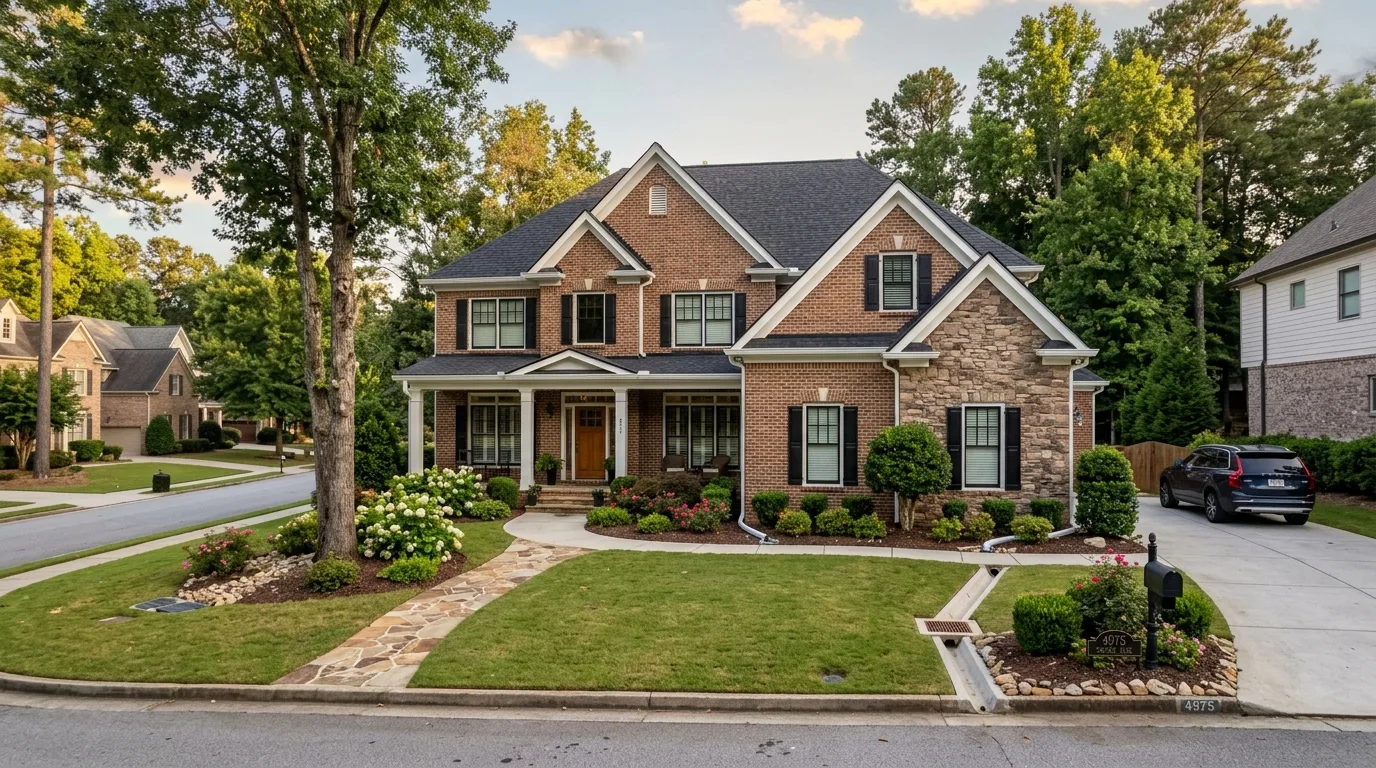
Brookhaven’s water damage risk isn’t evenly distributed across the city. Topography, soil depth, drainage infrastructure, housing vintage, and proximity to Peachtree Creek all influence which neighborhoods experience the most frequent water damage events. If you live in Brookhaven and want to understand how your neighborhood’s risk profile compares to others — and what that means for prevention and response — this neighborhood-by-neighborhood breakdown covers the city’s eight primary residential districts from a water damage perspective.
In this post, we cover the specific water damage risk factors for each major Brookhaven neighborhood, the types of events most common in each area, and the prevention priorities most relevant to each district’s housing stock.
Water Damage in Brookhaven? Neighborhood-Specific Help
We serve all Brookhaven neighborhoods 24/7. Call (877) 698-1311 for immediate response throughout DeKalb County.
Why Brookhaven Neighborhoods Have Different Water Damage Risk Profiles
Water damage in Brookhaven originates from several distinct pathways that affect different neighborhoods differently:
Topographic position: Low-lying neighborhoods receive runoff from surrounding higher ground. Properties at the bottom of natural drainage basins experience more frequent surface flooding and higher water table levels during wet periods.
Proximity to Peachtree Creek: The creek and its tributaries in DeKalb County create FEMA-mapped flood zones that include portions of several Brookhaven neighborhoods. Properties within or adjacent to these zones face flood risk during major storm events that areas on higher ground don’t experience.
Housing vintage: Neighborhoods developed before 1970 have older plumbing systems, less robust waterproofing, and vented crawlspaces that perform poorly in Georgia’s climate. Newer neighborhoods have modern moisture barriers, PEX or copper plumbing, and engineered drainage systems.
Lot coverage and impervious surface: Higher-density neighborhoods with more pavement and less permeable landscaping shed rainwater faster, increasing peak flow rates in drainage systems and raising the probability of system overload during heavy rain events.
Ashford Park: High Value, Moderate Risk
Ashford Park’s midcentury cottages and modern farmhouses — with an average home value around $1.09 million — sit on one of Brookhaven’s more favorable topographic positions. The neighborhood’s moderate slope generally provides adequate drainage compared to lower-lying areas. Primary water damage risks in Ashford Park are aging plumbing in the older homes and crawlspace moisture from Georgia red clay soil — both of which are chronic rather than acute risks.
The presence of older galvanized and cast iron plumbing in homes from the 1950s–1970s means supply line failures and drain backups are more common here than in neighborhoods with modern plumbing. Homeowners in Ashford Park should prioritize annual plumbing inspections and crawlspace moisture assessment.
Drew Valley: Elevated Risk from Topography
Drew Valley is one of Brookhaven’s higher-risk neighborhoods from a water damage perspective. The neighborhood’s positioning near Peachtree Creek — which runs along Brookhaven’s western edge — and its relatively lower elevation mean that major storm events bring genuine flooding risk to some properties. Dehumidification and water extraction calls from Drew Valley spike noticeably after major summer thunderstorm events.
The neighborhood’s housing stock includes a mix of older homes with block foundations — porous to water migration — and midcentury construction with vented crawlspaces over red clay soil. Burst pipe calls from Drew Valley are common in winter given the older plumbing vintage. Properties near the creek should carry flood insurance if they don’t already.
Historic Brookhaven: Highest Restoration Costs
Historic Brookhaven’s premium homes — averaging $1.52 million in value near Capital City Country Club — face water damage risks disproportionate to their frequency: when water damage events do occur, the costs are substantially higher than in standard-construction neighborhoods. Premium finishes (plaster walls, antique hardwood floors, custom millwork), large home footprints, and pre-1960 construction with cast iron plumbing and stone or brick foundations create a risk profile where a single water event can result in $50,000+ in restoration costs.
The neighborhood’s mature tree canopy contributes to clay sewer lateral risk — established oak trees send roots into 60–80 year old clay sewer pipes, causing partial blockages that eventually back up. Sewage cleanup calls from Historic Brookhaven are more expensive than comparable events in other neighborhoods due to premium materials throughout affected spaces.
Water Damage in Any Brookhaven Neighborhood? We're Here
From Ashford Park to Historic Brookhaven — serving all of Brookhaven and DeKalb County. Call (877) 698-1311 24/7.
Brookhaven Village: Moderate Risk, Older Plumbing
Brookhaven Village — near Blackburn Park and Buford Highway — combines moderate flood risk with older housing stock that makes plumbing failures more frequent. Properties in this neighborhood sit on a relatively flat topographic position with mixed drainage characteristics. The neighborhood’s diversity of architectural eras means some homes have modern plumbing while others retain galvanized supply lines and cast iron drains from original construction.
HVAC condensate issues are particularly common in Brookhaven Village given the neighborhood’s higher density of older multi-unit and split-level homes where HVAC condensate lines weren’t designed for the cooling loads modern occupancy generates during Georgia summers. Mold remediation following HVAC condensate overflow is a recurring pattern in the neighborhood’s older housing stock.
Lenox Park: Quiet But Vulnerable to Crawlspace Issues
Lenox Park’s quiet suburban character near Buckhead retail belies a common water damage risk: crawlspace moisture from Georgia red clay soil in a neighborhood where most homes were built in the 1950s–1970s with vented crawlspaces. Home values averaging $800,000 and older construction vintage combine to make crawlspace mold remediation a significant investment for Lenox Park homeowners who delay addressing moisture conditions.
The neighborhood’s relatively flat terrain doesn’t generate the dramatic surface flooding seen in topographically lower areas, but the consistent red clay moisture pressure and high summer humidity mean crawlspace conditions deteriorate faster than many homeowners expect without active moisture management. Vapor barrier or encapsulation installation in Lenox Park crawlspaces is one of the most financially sound investments homeowners in this area can make.
Lakes District: Family-Focused, Foundation-Aware
The Lakes District’s family-focused amenity profile — including green spaces and internal water features — carries a specific water damage consideration: proximity to designed water features raises local water table during wet periods, affecting foundation drainage in adjacent properties. Homes in the Lakes District with basement or below-grade living space should monitor foundation drainage performance carefully after major rain events.
Average home values around $979,000 and newer construction in portions of the neighborhood mean some properties have modern waterproofing systems that perform adequately. Older sections of the Lakes District share the red clay foundation pressure risk common throughout Brookhaven.
Peachtree Corridor: University-Adjacent Rental Risk
The Peachtree Corridor, near Oglethorpe University, has a higher concentration of rental properties than other Brookhaven neighborhoods, with all the water damage risk factors associated with high tenant turnover and deferred maintenance that we cover in detail in our Oglethorpe University area post. For owner-occupied properties in the corridor, the primary risks are consistent with adjacent neighborhoods: crawlspace moisture and aging plumbing.
Practical Neighborhood-Based Prevention Priorities
- Drew Valley and Peachtree Creek-adjacent properties: Flood insurance, sump pump with battery backup, annual crawlspace assessment.
- Historic Brookhaven: Professional crawlspace inspection, clay sewer lateral inspection every 3–5 years, roof and flashing audit.
- Ashford Park, Lenox Park, Brookhaven Village: Annual crawlspace moisture assessment, plumbing inspection for older homes, vapor barrier or encapsulation for unencapsulated crawlspaces.
- Lakes District: Foundation drainage monitoring, sump pump testing, gutter and downspout performance during heavy rain events.
Frequently Asked Questions
Which Brookhaven neighborhood has the most water damage calls?
Based on the frequency of water damage restoration response across Brookhaven, Drew Valley and Brookhaven Village generate the highest call volumes during major storm events due to topographic position and older housing stock. Historic Brookhaven generates fewer total calls but the highest average restoration costs per event. Ashford Park and Lenox Park generate consistent baseline call volume from plumbing failures and crawlspace moisture rather than flooding events.
Do FEMA flood zone properties in Brookhaven have mandatory flood insurance?
Properties in FEMA-designated Special Flood Hazard Areas (SFHAs) with federally-backed mortgages are required to maintain flood insurance under the National Flood Insurance Program. Properties not in SFHAs can purchase NFIP or private flood insurance voluntarily. Brookhaven’s floodplain map is maintained by the city in compliance with DeKalb County and FEMA standards. Check your property’s flood zone status using FEMA’s Flood Map Service Center.
How do I know if my Brookhaven neighborhood is near a FEMA flood zone?
Brookhaven’s active floodplain regulations and DeKalb County’s FEMA flood maps identify properties in mapped flood zones. FEMA’s publicly accessible Flood Map Service Center allows homeowners to look up their property’s flood zone status by address. Properties on the edge of flood zones in Brookhaven are sometimes reclassified when flood maps are updated — checking current map status is worthwhile for any Brookhaven property near Peachtree Creek or its tributaries.
Local Water Damage Experts for Every Brookhaven Neighborhood
Call Brookhaven Water Damage Restoration at (877) 698-1311 — serving Ashford Park, Drew Valley, Historic Brookhaven, and all of DeKalb County.
Related: