How to Prevent Pipe Bursts in Brookhaven During Freeze-Thaw Winters
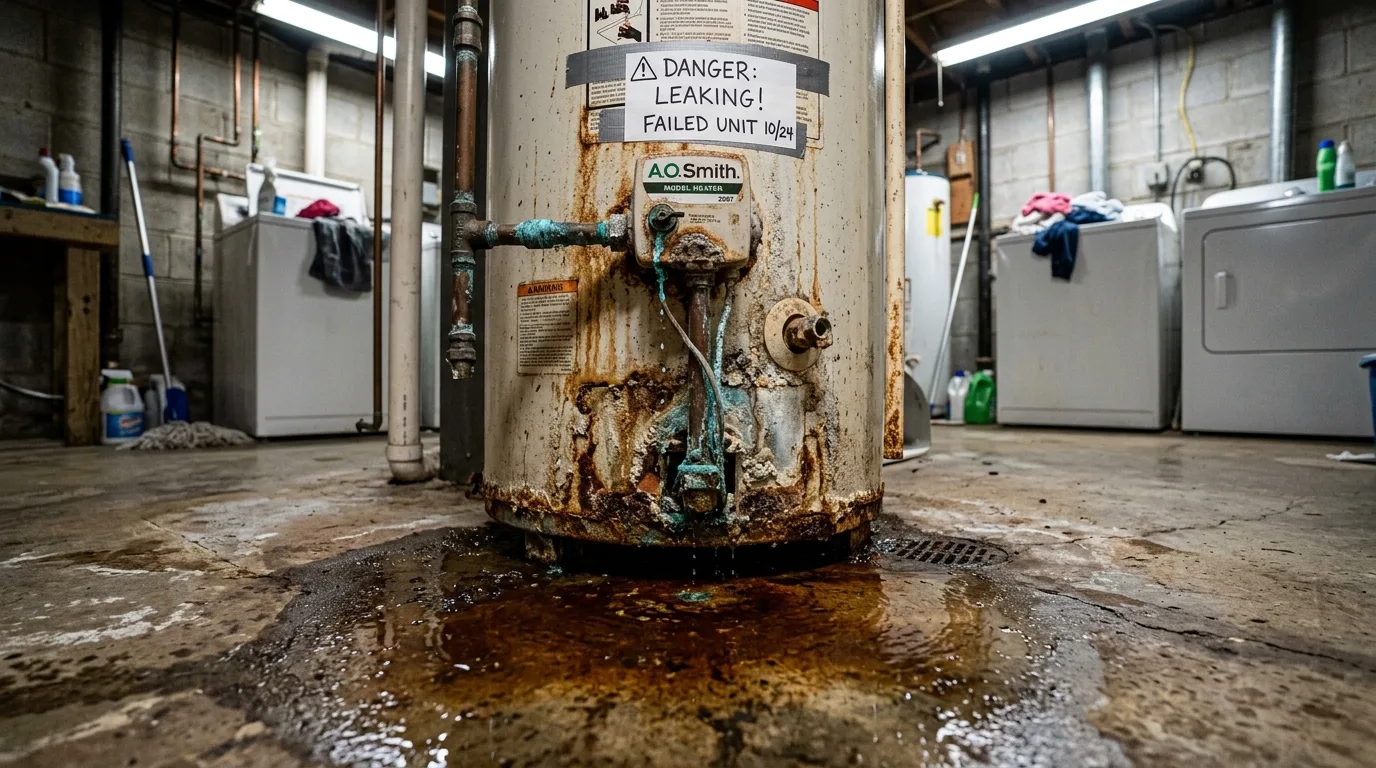
Every January and February, the same pattern repeats for Brookhaven water damage restoration teams: temperatures drop below freezing overnight, warm above freezing by midday, and by noon the emergency call volume has spiked from burst pipe events across DeKalb County. The freeze-thaw cycle is Brookhaven’s most predictable winter water damage risk — and it’s also one of the most preventable, if homeowners take the right steps before cold snaps arrive.
In this post, we cover why freeze-thaw cycles burst pipes in Brookhaven specifically, which pipes are highest risk in DeKalb County homes, practical winterization steps, and what to do immediately if a pipe bursts.
Pipe Burst in Brookhaven? Call Now for 24/7 Emergency Response
Water extraction and structural drying throughout DeKalb County. Call (877) 698-1311 immediately.
Why Freeze-Thaw Cycles Burst Pipes in Brookhaven
Pipe bursts from freezing happen because water expands approximately 9% when it freezes — and pipes don’t expand with it. The pressure that builds inside a pipe as water freezes and tries to expand can exceed 2,000 PSI — far more than copper, PVC, or galvanized steel pipes are rated to contain. The pipe typically fails not at the ice blockage itself, but downstream of it where liquid water is trapped between the ice plug and a closed fixture.
Brookhaven’s freeze-thaw pattern makes this risk particularly acute. Most of Georgia experiences winters where temperatures may drop well below freezing for sustained periods, forcing homeowners to take consistent winterization steps. Brookhaven, by contrast, experiences relatively mild winters punctuated by sharp cold snaps — 2–4 nights where temperatures drop to 28–32°F before returning to 45–55°F during the day. This “mild winter with intermittent hard freezes” pattern leads many homeowners to underestimate pipe vulnerability: the pipes survived last winter’s cold snap, so they’ll be fine this year.
The problem is that repeated freeze-thaw cycling progressively weakens pipe materials and joints. A pipe that withstands 5°F for one night may fail on the sixth cycle of a similar temperature. Homes in Ashford Park and Lenox Park with older copper plumbing are particularly vulnerable after decades of thermal cycling.
Types of Pipes Most Vulnerable to Freeze Bursts
Crawlspace plumbing: Pipes running through vented crawlspaces are exposed to outdoor air temperatures directly — there’s no insulation buffer between the pipe and freezing air. Crawlspaces in Brookhaven’s older housing stock were designed with ventilation to manage moisture (a design that actually makes moisture problems worse in Georgia’s climate — see our crawlspace post), and this ventilation eliminates the temperature buffer that enclosed crawlspaces would provide.
Exterior wall pipes: Supply lines in exterior walls that lack adequate insulation on the exterior-facing side freeze when temperatures drop low enough. This is particularly common in homes where additions or renovations created new exterior wall runs that weren’t insulated to the same standard as original construction.
Hose bibs and outdoor connections: Exterior hose bibs and irrigation system connections are the most obvious freeze risk and the most commonly winterized. However, hose bibs in Brookhaven homes with sillcock valves that don’t fully drain the pipe section between the valve and the outside air are still vulnerable even when closed.
Garage plumbing: Pipes running through unheated garages are exposed to outdoor temperatures when garage doors are open or when insulation is insufficient. Water heaters and supply lines in unheated garages are common freeze points in Brookhaven’s coldest nights.
Attic plumbing: Poorly insulated attic spaces experience temperature swings that can reach near outdoor temperatures during cold snaps. Pipes running through attic spaces without adequate insulation insulation above them are vulnerable when attic temperatures drop.
Already Had a Pipe Burst? Get Help in Brookhaven Now
Fast water extraction and structural drying throughout DeKalb County. Available 24/7. Call (877) 698-1311.
How to Winterize Pipes in Brookhaven Homes
Insulate crawlspace pipes: Pipe insulation sleeves — closed-cell foam or fiberglass wrap — provide the first line of defense for crawlspace plumbing. Focus on runs longer than 6 feet and any pipe within 18 inches of an exterior vent. Foam pipe insulation in standard sizes is available at hardware stores and installs without tools.
Install heat tape on high-risk runs: For pipes in locations where insulation alone may be insufficient — crawlspace areas near exterior vents, exterior wall runs, garage pipes — electric heat tape provides active freeze protection. Self-regulating heat tape adjusts its output based on temperature and is safer than fixed-output varieties. Install according to manufacturer instructions and plug into a GFCI outlet.
Seal crawlspace vents before freezes: Temporary vent covers or expanding foam board cut to fit crawlspace vent openings reduce cold air intrusion into crawlspaces during hard freeze events. This is a seasonal step — vents should be reopened in spring to prevent the moisture buildup that causes mold in Georgia’s humid summers.
Disconnect hose bibs properly: Disconnect all garden hoses from outdoor spigots before the first hard freeze. If your home has frost-free sillcocks (designed to drain the pipe section after the valve closes), disconnecting the hose is essential — a connected hose traps water in the pipe section and defeats the frost-free design.
Drain irrigation systems: Irrigation lines, which are typically shallower than supply lines, are extremely vulnerable to freezing. Blow out irrigation systems with compressed air before the first freeze and confirm all zone valves are closed and the controller is in the off or rain delay setting.
Set minimum thermostat temperature: During periods when the home will be unoccupied — including during winter travel — maintain a minimum interior temperature of 55°F. Lower temperatures allow wall cavity air temperatures to drop to near-freezing even when interior spaces stay technically above freezing. Cabinet doors under sinks on exterior walls should be left open during cold snaps to allow heated air to reach supply lines.
What to Do Immediately If a Pipe Bursts
If you discover a burst pipe, the sequence of the next 10 minutes determines how expensive the water damage restoration will be:
- Shut off the main water supply valve — typically located at the water meter near the street or at a main shutoff in the basement or utility room. This stops the flow and limits the volume of water released.
- Turn off the water heater — if the water supply is shut off, the water heater should be shut off as well to prevent dry-fire damage.
- Open faucets — after shutting off the main supply, open cold water faucets throughout the home to relieve pressure in the system and drain remaining water in supply lines.
- Document with photos and video — photograph and video all affected areas before any water is removed. This documentation is essential for insurance claims.
- Call a water damage restoration professional — water damage extraction must begin as soon as possible. In Brookhaven’s humidity, every additional hour of water in structural materials increases mold risk and restoration cost.
- Call a licensed plumber — the burst pipe must be repaired before water can be restored to the home.
Practical Prevention Checklist for Brookhaven Homeowners
- Crawlspace pipes: Insulated with closed-cell foam sleeves; high-risk runs protected with self-regulating heat tape.
- Exterior hose bibs: Garden hoses disconnected; frost-free sillcocks confirmed draining properly.
- Irrigation system: Blown out and shut down before first freeze date.
- Garage plumbing: Any pipes in unheated garage sections insulated or re-routed to interior walls.
- Attic pipes: Insulation coverage confirmed above any supply lines in attic spaces.
- Minimum thermostat: Set at 55°F for any periods of unoccupancy during winter months.
- Main shutoff location: Every household member knows where the main water shutoff valve is and how to operate it.
Frequently Asked Questions
What temperature causes pipes to freeze in Brookhaven?
Pipes typically begin to freeze when air temperature falls below 20°F for an extended period. However, pipes in poorly insulated crawlspaces, exterior walls, or unheated spaces can reach freezing conditions at outdoor temperatures as mild as 25–28°F if exposure is prolonged. Brookhaven’s January and February overnight lows frequently reach 28–33°F — within the vulnerable range for under-insulated pipes throughout DeKalb County.
Does homeowner’s insurance cover burst pipe damage in Brookhaven?
Yes — sudden and accidental pipe burst water damage is typically covered under standard homeowner’s insurance policies. The burst itself and resulting water damage to the structure and contents are generally covered. Insurance does not typically cover the repair of the burst pipe itself (that’s a maintenance cost), but does cover the water damage restoration cost, which is usually the larger expense. Document damage thoroughly before any cleanup begins.
Can I prevent all pipe burst risk in a Brookhaven home?
Virtually all freeze-related burst pipe risk can be eliminated through proper insulation, heat tape, and behavior during cold snaps. The pipes most commonly involved in Brookhaven burst pipe calls are in crawlspaces and exterior walls — locations where the fix is insulation or heat tape rather than extensive construction. Most Brookhaven pipe bursts are preventable with modest preparation costing $50–$200 in materials.
Burst Pipe Water Damage in Brookhaven? We Respond Immediately
IICRC certified extraction and drying. Insurance assistance. Serving Brookhaven, Chamblee, Sandy Springs, and all of DeKalb County. Call (877) 698-1311.
Related: